The On Trade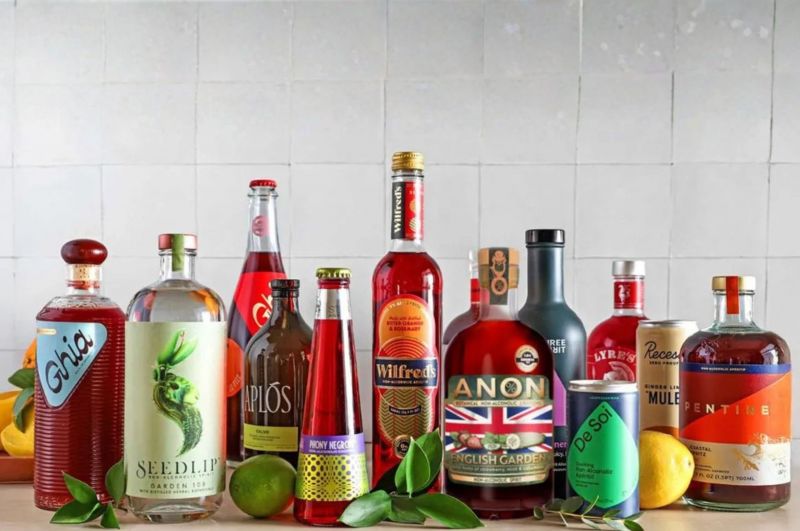
26/06/2026 A commercial look at the drinks categories helping restaurants capture demand, control costs and grow revenue without overcomplicating service operations.
For years, beverage growth followed a familiar formula: sell more wine, encourage a second cocktail, and keep the coffee machine running after dessert. That approach is becoming less reliable. Today’s guests are more selective about alcohol, more alert to value, and less willing to pay for drinks that feel routine. At the same time, they still want flavour, presentation, and a sense of occasion. They are prepared to spend, but only when the experience feels distinctive enough to justify the price. For restaurants, this creates both a challenge and an opportunity. The answer is not to chase every emerging trend or add dozens of new products to the menu. It is to identify the categories that can increase spend without creating excessive stock, labour, or waste. The most profitable beverage trends are those that combine clear customer demand with strong margins, efficient service, and relevance across several occasions. From premium alcohol-free serves to streamlined cocktails and upgraded coffee, these are the categories restaurants should be watching closely.
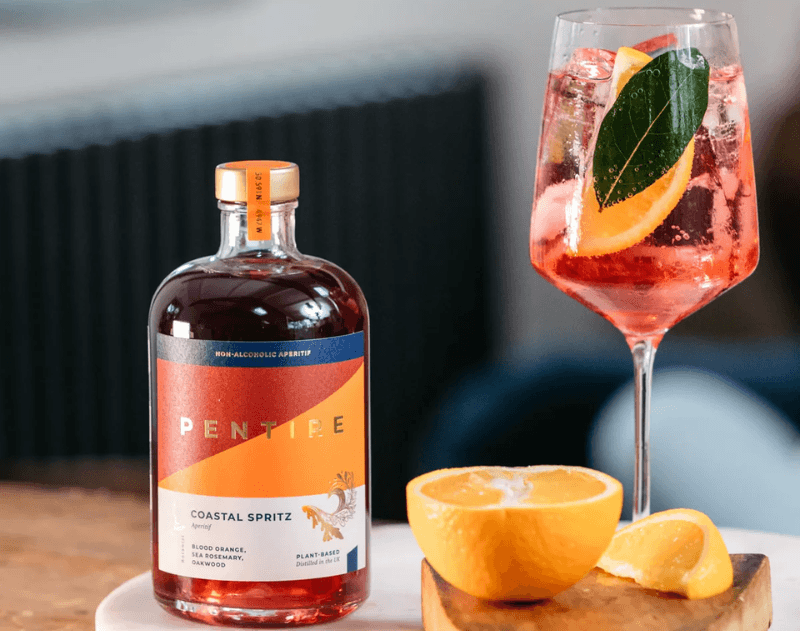
Source: JOMO Club
Premium no- and low-alcohol drinks are now essential
The alcohol-free guest is no longer a niche customer who can be offered orange juice as an afterthought. Moderation has become more flexible and more mainstream. A diner may order wine on Friday, choose a 0.0 beer when driving on Saturday, and switch to an alcohol-free aperitif during a midweek meal. That shift creates a significant commercial opportunity. A well-designed alcohol-free drink can convert what might otherwise have been a tap water order into a full-price beverage sale. It can also help mixed groups stay longer, as guests who are not drinking alcohol still feel included in the occasion. Brands such as Lucky Saint and Guinness 0.0 have helped change perceptions by offering familiar, credible alternatives to traditional beer. Guinness has also expanded the reach of its alcohol-free offering through MicroDraught technology, enabling some venues to deliver a draught-style experience without conventional keg infrastructure.
The same principle applies to spirits and aperitifs. Seedlip, Everleaf and Pentire give operators recognisable alcohol-free bases with more adult flavour profiles. However, simply pouring one of these products over ice is not enough. The finished drink still needs balance, acidity, texture and thoughtful presentation. A concise alcohol-free section is often more effective than a large one. One beer, one wine alternative and two well-developed mixed drinks may be sufficient for many restaurants. The drinks should be listed alongside other premium beverages rather than hidden at the bottom of the menu. Pricing should reflect the ingredients, preparation and experience. At the same time, restaurants need to make the value visible through proper glassware, garnish and clear descriptions. “Alcohol-free bitter orange and grapefruit spritz” sounds far more appealing than “mocktail”.
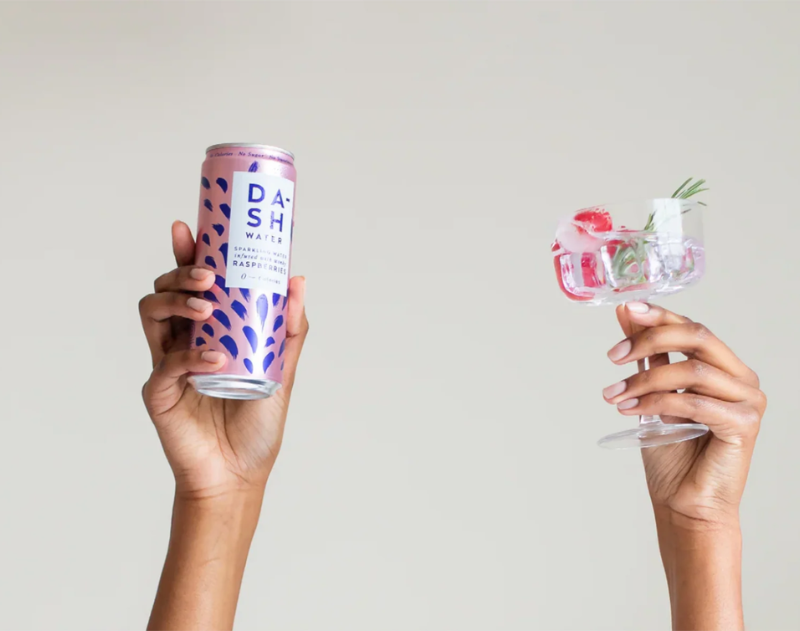
Source: DASH Water
Premium soft drinks can command adult-drink prices
The soft-drink section is often one of the least considered areas of a restaurant menu. Standard cola, lemonade and juice remain important, but they do little to encourage trading up. As more guests moderate their alcohol intake, demand is growing for soft drinks that feel appropriate for an adult dining occasion. This is where brands such as Fever-Tree, Fentimans, Double Dutch, Cawston Press and DASH Water have created a stronger premium proposition. Restaurants can build on this demand with house sodas, botanical coolers, premium lemonades and flavour-led highballs. A seasonal raspberry-basil soda or a grapefruit-rosemary cooler can feel distinctive without requiring a complicated production process.
The most commercially effective options often use ingredients already stocked in the kitchen or bar. Citrus, herbs, fruit purées and syrups can be shared across cocktails, desserts and soft drinks, helping to reduce waste and simplify ordering. Functional drinks also deserve attention, particularly at lunch, brunch and during early-evening occasions. Kombucha, matcha, natural energy drinks and adaptogenic beverages are becoming more visible in hospitality. Brands such as Equinox Kombucha, Tenzing, TRIP and PerfectTed have helped bring these products to a broader audience. Operators should lead with flavour rather than health claims. Guests are more likely to order “raspberry and hibiscus kombucha” than a drink promoted with vague promises about focus, calm or digestion. Functionality may support the sale, but taste must come first. A carefully chosen premium soft-drink range can achieve strong margins without the labour demands of a full cocktail programme. It also gives staff more opportunities to recommend a second drink to guests who are not ordering alcohol.
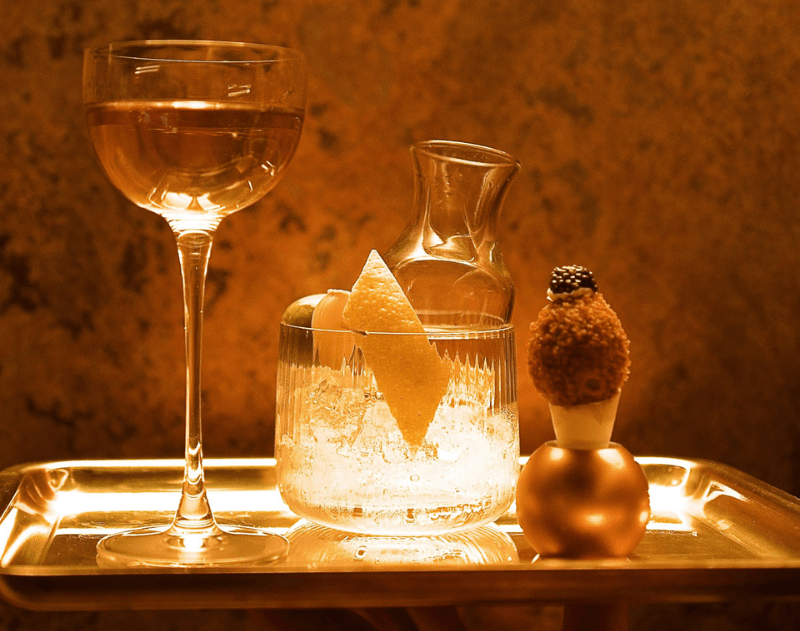
Source: Michelin Guide
Shorter cocktail lists can generate stronger returns
A large cocktail menu may appear generous, but it can quietly damage profitability. It ties up stock, increases preparation time, slows service, and makes consistency more difficult. For most restaurants, a shorter and more focused list is commercially stronger. Six to ten drinks are often enough to provide choice without overwhelming guests or staff. The safest starting point is a selection of formats people already understand. Margaritas, Martinis, highballs, sours and Espresso Martinis remain popular because guests know what to expect. The restaurant can then add its own identity through a house cordial, a regional spirit, a seasonal ingredient, or a subtle presentation detail. The real commercial benefit comes from ingredient overlap. A citrus cordial could appear in a Margarita, an alcohol-free highball and a seasonal spritz. A fruit purée might be used across cocktails, soft drinks and desserts. Ingredients that appear in only one slow-selling drink usually increase waste and reduce margin.
Mini serves are another useful opportunity. A half Martini, a small Negroni, or a three-drink tasting flight can lower the entry price and encourage experimentation. They also suit guests who want the ritual and flavour of a cocktail without a large amount of alcohol. These smaller formats can work particularly well with food pairing. A mini Martini with oysters or a small digestif-style cocktail with dessert can create an additional sale without making the guest feel they are committing to another full drink. Menu descriptions should remain clear and direct. Listing the main spirit, two or three flavour cues, and the style of drink is usually enough. Guests should not need a bartender to translate the menu before they can order.
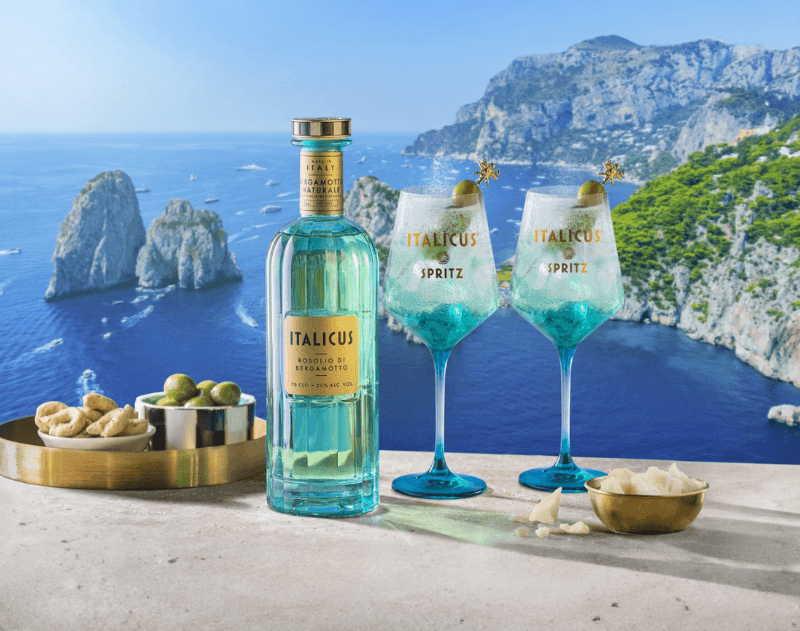
Source: Italicus
Spritzes and sessionable serves extend the drinking occasion
The spritz has become one of the most commercially useful formats in hospitality. It is visually distinctive, easy to understand, quick to make and suitable for daytime as well as evening drinking. Aperol remains the best-known example, but restaurants do not need to limit themselves to one bitter orange serve. Elderflower, vermouth, limoncello, rosé, bergamot and alcohol-free aperitifs can all be used to create a broader spritz selection. Brands such as St-Germain, Italicus and Martini provide different flavour directions, while alcohol-free aperitifs allow restaurants to offer similar drinks to guests who are moderating. The attraction of these serves is not only their appearance. They can help restaurants capture occasions when a full-strength cocktail may feel too heavy. Lunch, brunch, terraces and early evening are all well suited to longer and lighter drinks. The same opportunity applies to radlers, fruit-led beers, lower-alcohol highballs and sessionable cider. These products sit between standard soft drinks and stronger alcoholic options, giving guests a more flexible choice. Rather than organising the menu only by category, restaurants can group these drinks around the occasion. A “lighter serves” section could include a spritz, a radler, a lower-ABV highball and an alcohol-free alternative. This makes the decision easier for the guest and creates clearer opportunities for staff to recommend a drink.
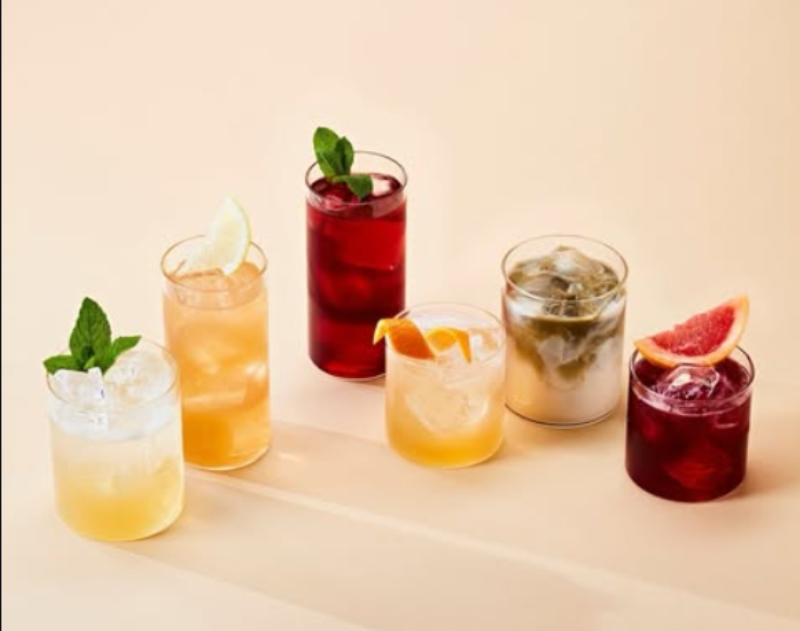
Source: Good & Proper Tea
Coffee, tea and matcha can grow several dayparts
Restaurants often treat coffee as an after-meal extra, but it can drive sales across breakfast, lunch, afternoon and evening. A strong core offer matters first: quality beans from brands such as Lavazza, Illy, or Origin Coffee still require well-calibrated equipment, consistent milk texture and trained staff. Once those basics are in place, operators can add cold brew, iced coffee and matcha from names such as PerfectTed or Jenki, alongside plant-based options from Minor Figures or Oatly. A concise loose-leaf tea range from specialists such as Good & Proper Tea can lift perceived quality. Seasonal iced drinks and pairings with desserts, chocolates or petits fours can increase spend, while confident staff recommendations help turn a routine final order into additional profit.
The most profitable beverage trends are not always the newest or most fashionable. Their value lies in how well they fit the restaurant, appeal to its guests and support efficient service. From premium alcohol-free drinks and functional softs to focused cocktails, sessionable serves and stronger coffee programmes, every addition should have a clear commercial purpose. Operators should measure margin, preparation time, waste and customer demand, then remove products that fail to perform. A smaller, well-designed menu will usually generate better results than one overloaded with choice. Consumers are still willing to spend on drinks, but they expect quality, value and relevance. Restaurants that combine these expectations with disciplined menu engineering will be in the strongest position to increase beverage revenue and protect profit.
Header Image Source: Anon Drinks
Also Read:
Premium Sparkling, Emerging Regions and Alcohol-Free Wines Are Shaping Wine's Next Growth Chapter
The Rise of Low- & No-Alcohol Beverages in On-Premise Settings
TAGS: