The On Trade
04/09/2026 From wine lists to buyer expectations, Mike Best MW explores what matters most in building stronger, more profitable on-trade programmes.
Few wine professionals understand the journey from bottle to buyer quite like Mike Best MW. A Master of Wine since 2020, Mike has built a career spanning wine buying, education, judging, retail, distribution, and hands-on winery experience, giving him a particularly broad perspective on what makes wine commercially relevant. Today, as a wine product manager and trade buyer at Boutinot, he is closely involved in building portfolios, working with producers, and identifying wines that can succeed in an increasingly competitive market. Beyond buying, Mike remains deeply engaged in wine education, teaching at Diploma level and helping develop future wine professionals. In this conversation, Mike shares his perspective on creating commercially successful wine lists, balancing quality with value, improving wine education, identifying emerging opportunities, and understanding what sommeliers, buyers, and hospitality operators should be looking for in today’s evolving wine market.
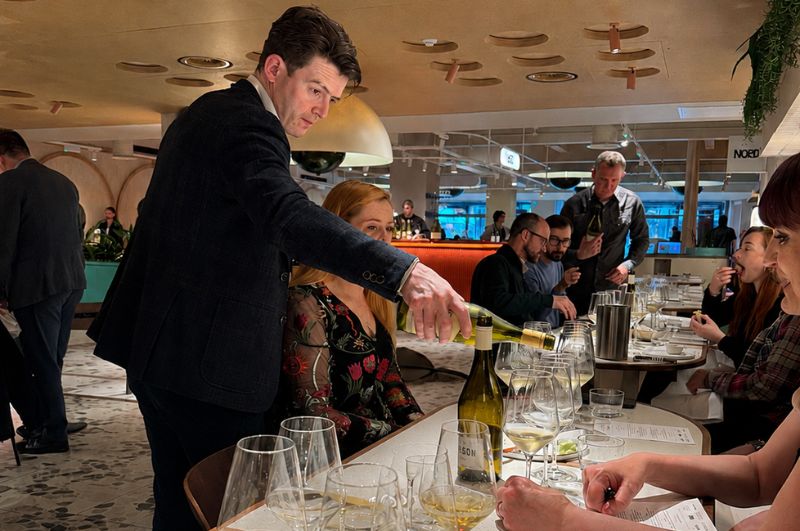
Source: Mike Best MW
Could you introduce yourself and explain how your journey from working in a Yorkshire gastropub to becoming a Master of Wine shaped your understanding of the hospitality industry?
I work in the buying team at Boutinot, looking after Spain, Portugal, Greece, Lebanon, and England. It sounds churlish to say, but it wasn’t really my intention to work in buying. But what I love about it is being “in the middle of the chaos,” so to speak. I love being with customers, with wine producers, with the Boutinot team, and trying to work on what needs to be done. In many ways, my first job working in hospitality at the Durham Ox was my favourite. I learnt so much about how to talk to people there. I also learnt the value of having a business where customers didn’t need to spend a lot of money, but they certainly could; that’s a fantastic balance if you can achieve it.
In your current role at Boutinot, what are your main responsibilities, and how do you balance wine quality, producer identity and the commercial requirements of on-trade customers?
Working in buying is not like being the man from Del Monte (for those of you who don’t know, this was a TV advert about a guy who went to an Orange plantation in his white linen suit and if they were good he said “Yes”). Buying is definitely a verb, and the job isn’t done until it's sold. So you need a plan for the whole process. Boutinot is a mainstream wine company with a very broad spread of customers, so we need a portfolio that can be flexible and as broad as customers need it to be. Right now we have seen a regression in quality in the market. It’s understandable with the cost of living crisis, but price and value are not the same thing. I’d like to think we keep the balance of wine quality and offering value in a fiercely competitive market. Getting this right is one of the hardest parts of the job.
When assessing a wine for restaurants, bars or hotels, what tells you that it has genuine on-trade potential rather than simply performing well in a tasting room?
A bit like the football expression of “performing on a rainy night in Stoke,” I think that way about the tasting room at Boutinot, particularly in the winter. If the wine sparks some joy there, it’s usually pretty good. But tasting and drinking are different, and it’s important to recognise that. The selection process is usually a long one, with many factors: it can be ideas of trends, discussions with colleagues, knowledge of producers, knowledge of the market, understanding what works or what’s missing, and then finding or developing wines to fit that.
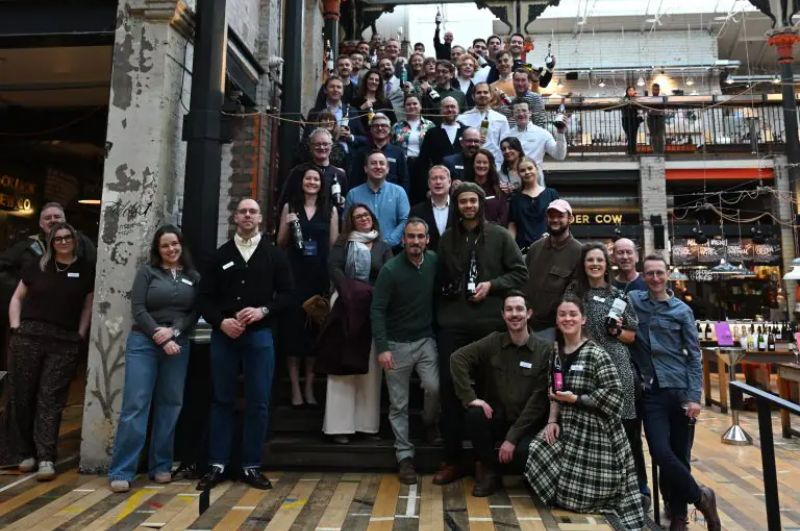
The Boutinot Team. Source: Boutinot
With hospitality operators facing rising costs and tighter margins, how can wine buyers protect profitability without making their lists feel overly commercial or predictable?
Can I bring out a cliché? Margin is vanity, profit is sanity, cash is reality. To disagree with the question a little bit, I don’t think you do protect profitability by being overly commercial or predictable. There’s no secret that hospitality is in a perfect storm, so anything I say is far easier than actually doing it. What is true is that whatever a boss says about a margin on a spreadsheet is only possible with one-on-one interaction between staff and customers. I think Boutinot can give customers good tools to deal with this. The opportunity in this storm is that there are chances to do things differently. My guiding intuition at the moment is to look for ‘modern classics’ and make them work hard; I think there’s a lot of all-round value in this.
What do you believe makes a wine list commercially successful today, and where do you most often see venues getting their selection or pricing strategy wrong?
I read hospitality legend Jeremy King’s book “Without Reservation” recently, and he summed up that if all we talk about is margin and sales, those become the priorities, but if we talk about customer satisfaction, product quality, and long-term relationships, then the business behaves differently. The best people start with the customer. In some ways it is painfully simple; just think about what your customers want and then do that. Things have changed, so whether it is having more by the glass, smaller sizes, more choice, or indeed less to help keep things focused, it should always start with the customer. A few times recently I have heard “I like the wine but it’s too cheap for us”, with this changing landscape of wines and fashions in that instance I think it’s perfectly valid to charge what you think is the right price in your venue, and if that’s more than usual so be it, after all a wine is only worth what someone is prepared to pay for it anyway.
How should suppliers and producers adapt their presentations when approaching sommeliers and restaurant buyers who have limited time, storage capacity, and space on their lists?
We are here for the customers. We buy wine for them, not for us. You need to remind yourself of that every day. Ultimately, it is “what will help them?” If you ask most venues, I don’t think their problem is getting hold of decent wines at reasonable prices. I still see a lot of basics not done well – If there is a silver lining from this crisis we are in is that I hope selling gets better. The interaction is something like this: “Hello, Mr Restaurant, I can see you buy wine; well, we import wine, so would you like to buy some wine”?... There is nothing there that adds value, helps understand the customer, or builds trust. If I were a sommelier, I would want exceptional service (ie deliveries on time in full and support available on phone/email). I’d want someone who had done the hard work and preselection for me, and then I’d want the extras of training, dinners, trips, etc to work around my schedule.
Source: Boutinot
Which regions or wine styles currently offer the strongest combination of quality, value, and guest appeal for the UK on-trade?
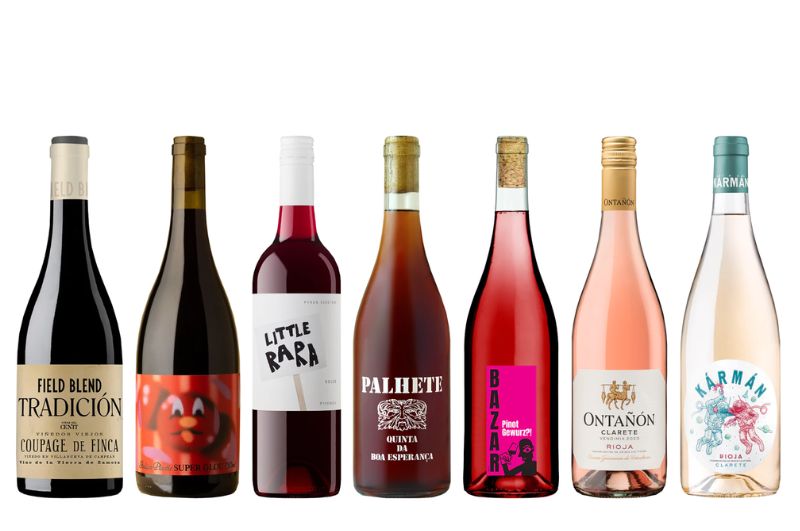
Honestly, I think there could be dozens; it depends on the specific wines, and it depends on the mindset of the producer. Producers who realise that their neighbour is their friend and not their competition, and that good wines come from all over the world, are the ones who can do well. But my own highlights would be Portugal, Greece and South Africa. I find in all three countries a wealth of amazing vineyards, gorgeous terroir, and an open-minded approach to putting the customer first.
English wine continues to build its reputation. Beyond sparkling wine, where do you see the greatest opportunities for English producers within restaurants and hospitality venues?
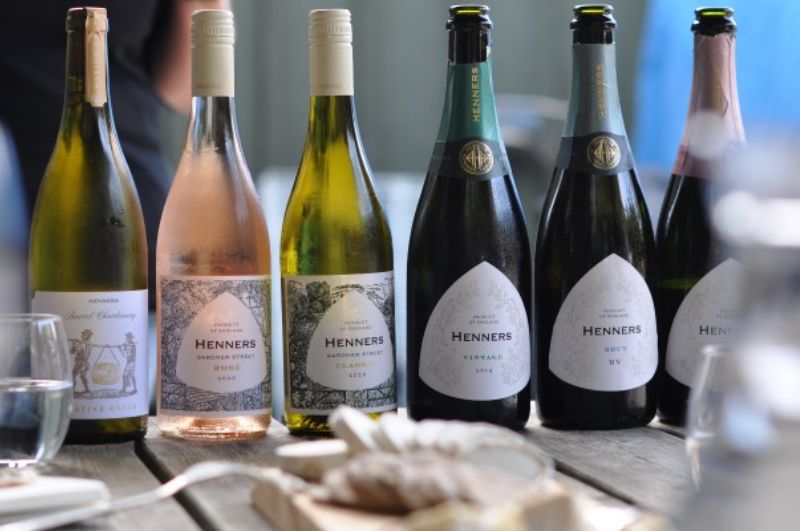
The obvious answer is in Chardonnay and Pinot Noir; they already command a premium that customers are happy to pay. I think Bacchus 2.0 is the way to approach the future of that variety, the styles and the approach to winemaking. The industry made the wines in quite a ‘safe’ way, so now it is time to take that knowledge and meet customers where they are.
Low- and no-alcohol wines remain technically challenging. What quality standards should buyers apply before giving these products valuable space on an on-trade list?
Without being silly - Mine is “would I rather drink this or cranberry juice?” By that I mean simplify it and ask yourself, “is it a good drink?” I think consumers are beginning to question the cost of a soft drink for something near £10; you really have to ask that to yourself and think if what you are providing still represents value.
Source: Boutinot
Your MW research explored cellar-door tourism in Great Britain. What lessons from direct-to-consumer winery experiences could restaurants use to create stronger storytelling, engagement, and loyalty around wine?
It’s all about experience. That’s it. You’re not selling wine because people want a drink or food because they are hungry. Yes, the product quality needs to be great, and the value needs to be there, but really it’s about understanding what you stand for. Is it an eco message? Is it a premium message? Is it a particular style or ethos? As an aside, we have a brilliant Cellar door at Henners; please come and see it! I work closely with the wines, but that team should take all the credit for a great job.
On a personal note, which grape variety, region or wine style do you believe remains underestimated by the UK on-trade, and why should more buyers give it serious consideration?
Garnacha. When you think about “the next big thing,” it has to exist in enough volume for it to be more than a curiosity. Garnacha has been around forever, but it’s never taken the starring role. Now, more producers are making the juicy, bright styles, which I think are more appropriate than ever. Obviously, Garnacha is mainly red, but there is Rosé, Garnacha Blanca, and we even do a Sparkling Garnacha Blanc de Noirs. It ticks entry, mid-level, and premium too; it’s more diverse than you would think. I’d happily stand up and talk about Garnacha and open bottles to those who want to try.
Header image source: Peter Bender VDP
Also Read:
Importer of the Year – Australia, Farm & Vines brings boutique Australian wines into the UK market
Borough Wines - Putting sustainability at the heart of business
How a low-alcohol beer helped a craft brewer bounce back from Covid
TAGS: