The On Trade
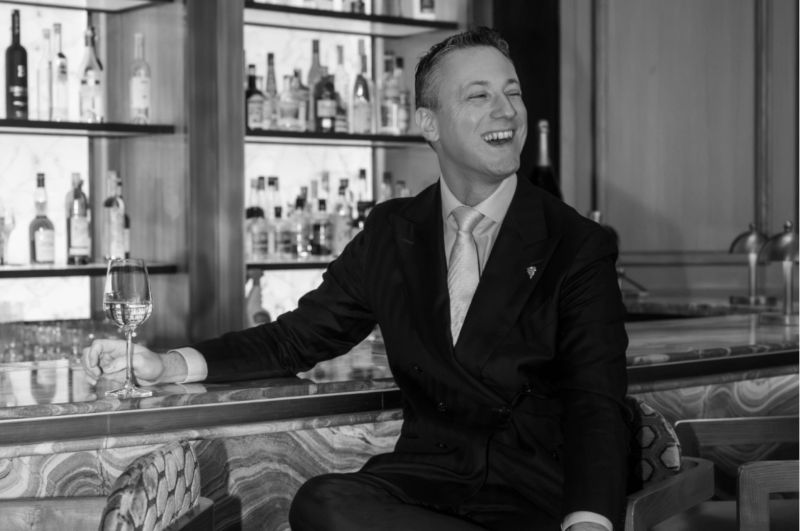
26/11/2026 From buying decisions to tableside recommendations, Michele Orbolato discusses balancing commercial performance with discovery across restaurant wine and sake programmes.
A compelling wine list earns its reputation at the table, where thoughtful buying meets confident service and a guest finds something worth ordering again. For Michele Orbolato, Head of Wine and Sake at Thesleff Group, that connection sits at the heart of a role spanning restaurant concepts, diverse audiences and two distinct drink cultures. With more than a decade of fine-dining experience, including roles at The Petersham and Le Pont de la Tour, he brings a broad hospitality perspective to building programmes that balance discovery, identity and commercial purpose. His remit offers a valuable lens on the decisions facing today’s on-trade: how to make unfamiliar bottles approachable, equip teams to recommend with conviction and ensure an ambitious selection delivers beyond its first impression. In this feature, Michele discusses the thinking behind his wine and sake programmes, exploring buying decisions, staff development and the opportunities to turn guest curiosity into lasting demand.
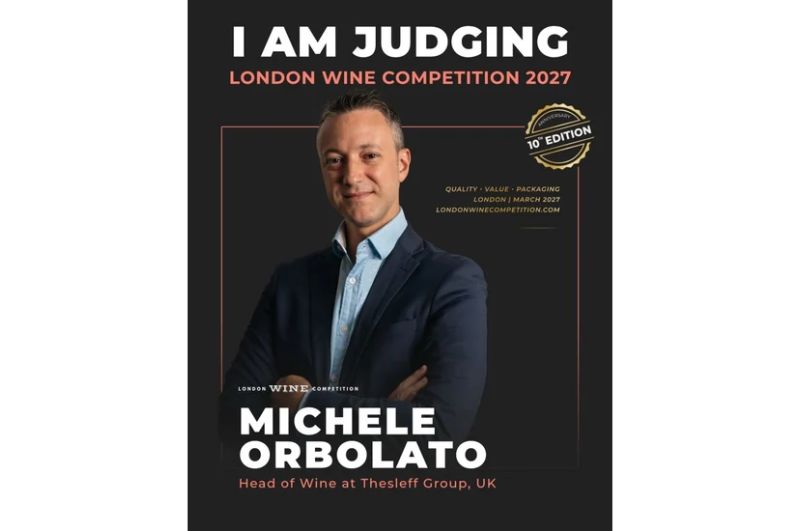
Could you introduce yourself and tell us about your current role at Thesleff Group, including your responsibilities across its wine and sake programmes?
I'm Michele, Head of Wine and Sake at Thesleff Group. I've spent over a decade working in hospitality, predominantly within fine dining and luxury hotels, and throughout my career I've always been fascinated by the stories behind what we pour into the glass.
For me, wine has always been about much more than the liquid itself. It's about people, places, culture, craftsmanship, and the connection between a producer and their land. I have a particular passion for understanding terroir, discovering indigenous grape varieties and exploring both established and emerging wine regions.
Over the past few years, I've also developed a real passion for sake, which I find incredibly exciting, particularly because there is still so much to discover and communicate about this fascinating category.
Today, my role at Thesleff Group is to oversee the wine and sake programmes across our venues. That encompasses everything from strategy, selection, procurement and commercial performance to developing our teams, setting standards and creating memorable guest experiences.
I see my role as bringing together three things: the product, the business and, most importantly, the people. Ultimately, my ambition is to build programmes that are commercially successful but also have personality, tell a story and make guests curious enough to discover something new.
When you review a wine programme, which three numbers tell you whether it is performing well?
For me, the three key indicators are Gross Profit (GP) and margins, GMROI (Gross Margin Return on Investment), and wine sales as a percentage of total restaurant revenue.
GP and margins tell me how profitable the programme is, while GMROI helps me understand how effectively we are turning our stock investment into profit. Finally, wine sales as a percentage of total revenue give me a clear indication of how well wine is performing within the overall business.
Together, these three metrics provide a good balance between profitability, stock efficiency and commercial contribution.
Where do you draw the line between a healthy wine margin and a price that discourages guests from ordering another bottle?
It is always a balancing act. My philosophy is to make our wine programmes as inclusive as possible rather than exclusive. We want guests to feel comfortable exploring the list, discovering new producers and, hopefully, ordering another bottle.
Of course, pricing needs to reflect the rarity, prestige and market value of a wine, as well as the audience we are catering to. The key is finding the right balance between protecting the business's margins and offering guests a price that feels fair and encourages them to engage with the programme.
Ultimately, a wine list should invite people in, not intimidate them.
Source: Bar Magazine
At Los Mochis, how do you decide whether wine or sake makes the stronger pairing? Could you illustrate this with one dish?
One of the most important factors I consider is the level of umami in a dish.
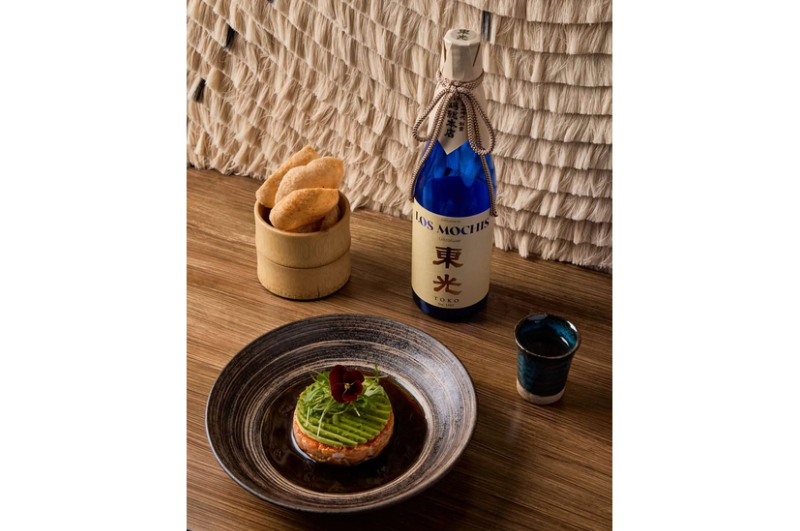
A great example is our crispy rice with guacamole and black truffle. Truffle brings an incredible depth of umami, with earthy, mushroom-like, and almost cheese-like characteristics.
This is where sake can be particularly fascinating. Sake naturally has an umami dimension that allows it to interact beautifully with these flavours, complementing the dish without necessarily competing with it. In certain situations, wine can struggle to achieve the same harmony, particularly when there is a pronounced umami component.
That said, I don't believe there are rigid rules. It's about understanding the ingredients, the texture, acidity, richness, and intensity of a dish, and finding the beverage that brings everything together.
One of the things I love about working with both wine and sake is that it gives us a much broader palette to work with. Sometimes the most exciting pairing is not the most obvious one.
What earns a wine a place by the glass, and what would make you replace it?
First and foremost, the wine needs to make sense with the cuisine and identity of the restaurant. Food compatibility is essential. Secondly, I look at the style of the wine: it needs to offer something distinctive, be approachable, and appeal to our guests.
Finally, the supplier plays an important role. Reliability, consistency, pricing, and the level of service they provide all contribute to the decision.
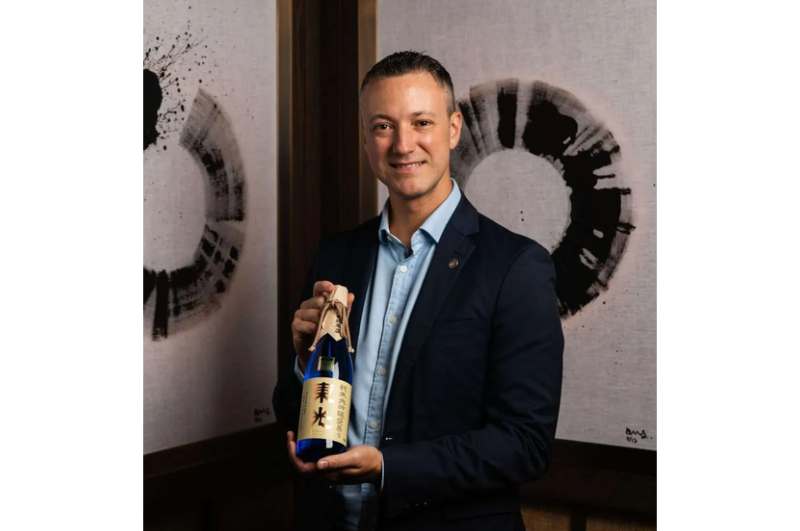
Source: Bar Magazine
What is the most effective way to introduce sake to a guest who usually orders wine?
I think the starting point is always trust and genuine curiosity.
I would never approach a guest who enjoys wine and simply tell them they should try sake instead. I would first try to understand what they enjoy drinking. Do they like aromatic whites, textured wines, something mineral, or perhaps richer and more complex styles?
Once you understand their preferences, you can start building a bridge between the two categories and recommend a sake that might appeal to their palate.
For example, someone who enjoys a beautifully textured white Burgundy might find a lot of pleasure in a complex Junmai Ginjo or Junmai Daiginjo.
But ultimately, it's about the experience rather than the technical explanation. Our Sommeliers are encouraged to engage with guests, share stories, and make recommendations in a relaxed and approachable way.
I think one of the biggest opportunities for sake is to move away from the perception that it is exclusively Japanese or something you should only drink with Japanese food. Once guests discover its versatility, they often become genuinely enthusiastic about exploring it further.
[[relatedPurchasesItems-68]]
What should a restaurant get right before investing in a serious sake offering, particularly around storage, service, and pricing?
I would start by understanding the audience. Are your guests interested in exploring something different? And, importantly, does sake make sense with the cuisine and overall identity of the restaurant?
Although sake is incredibly versatile and can work with many different cuisines, it is still predominantly associated with Japanese and wider Asian food in the minds of many consumers. There is an opportunity to challenge that perception, but it requires the right approach.
Storage and stock management are also crucial. Unlike many wines, sake is a relatively perishable product, and its shelf life can be around six months, depending on the style and storage conditions. Therefore, careful purchasing, stock rotation, and demand forecasting are essential when building a meaningful selection.
Service is equally important. Sake is generally best enjoyed chilled, although certain categories can also be served warm, allowing different aromatic and flavour profiles to emerge.
Finally, pricing offers considerable flexibility. There are excellent opportunities across different price points, so I believe the selection should reflect the restaurant's positioning, target audience, and commercial margin requirements.
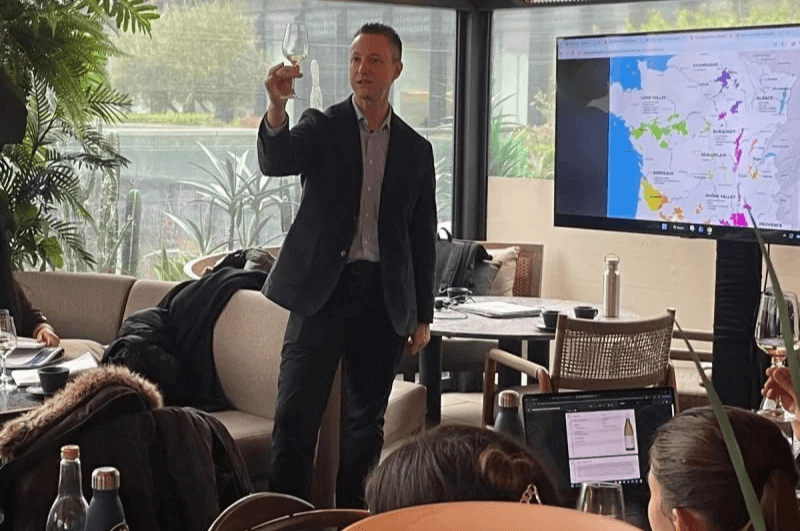
Source: Michele Orbolato
Which lesser-known wine region or sake style has generated genuine repeat orders rather than one-off curiosity?
I would probably highlight two categories: sake and wines from regions such as Etna and Greece in general.
Sake is particularly interesting because I think we are moving beyond the initial curiosity stage. Guests are becoming increasingly interested in understanding the category, discovering different breweries and exploring styles beyond the more familiar offerings.
I'm particularly excited about aged sake and more concentrated, almost liqueur-like expressions. They challenge people's perceptions of what sake can be and open up completely new possibilities, both as a standalone drink and as a pairing partner.
What I find encouraging is that, when you invest in educating your team and communicating the stories behind the producers, guests become much more willing to explore. That curiosity can translate into genuine repeat orders.
On the wine side, Etna is a great example. There is something incredibly compelling about its volcanic soils, altitude, and indigenous grape varieties. Wines from the region have a very distinctive identity and sense of place, and quality has improved massively in the past few years.
Greek wines, particularly Assyrtiko, are another category I see attracting growing interest. They offer a combination of freshness, minerality, and gastronomic versatility that works particularly well in restaurants.
I think the common thread is authenticity. Guests are increasingly interested in wines and sake with a story, a strong identity, and something meaningful behind the bottle. They don't necessarily want something obscure just for the sake of it; they want to discover something genuinely interesting.
What is one change a restaurant with a limited wine budget could make tomorrow to improve sales?
I would start by reviewing the relationship with its main wine supplier.
Building a strong partnership with a supplier who can offer a well-curated selection, competitive pricing, and reliable service can make a significant difference. It can help improve purchasing margins while allowing the restaurant to offer more attractive prices to its guests.
With a limited budget, purchasing efficiency is particularly important. You don't necessarily need a bigger wine list; you need a smarter one.
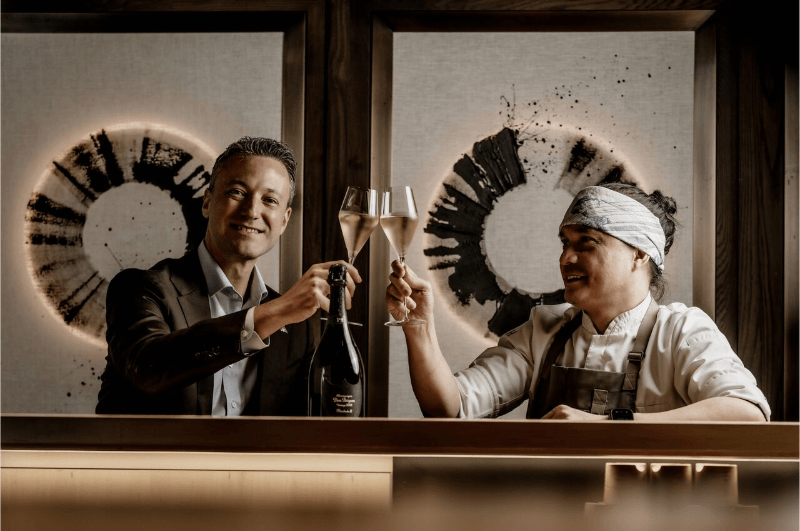
Source: Thesleff Group
What do suppliers often misunderstand about getting a listing and keeping it within a restaurant group?
I think many smaller suppliers focus almost exclusively on the quality of the product, assuming that a great wine will automatically secure a listing.
Of course, the quality of the wine is fundamental, but the conversation with a restaurant group goes much further. It involves commercial considerations such as margins, rebates, volumes, pricing structures, marketing support and, perhaps most importantly, customer service and operational reliability.
A successful partnership needs to work for both sides. Suppliers need to understand that getting a listing is only the beginning; maintaining it requires consistency, commitment, and a clear understanding of the restaurant group's business objectives.
What is one buying or service decision you have changed your mind about during the past year, and why?
One of the biggest shifts in our approach has been placing even greater emphasis on guest interaction.
While the quality and depth of a wine and sake selection remain incredibly important, we have become increasingly focused on how we communicate those offerings to our guests.
We want our Sommeliers to spend more time engaging with people, sharing stories and creating genuine connections around the table. Ultimately, the experience is about much more than what is in the glass. It is about the memories we create and the stories guests take away with them.
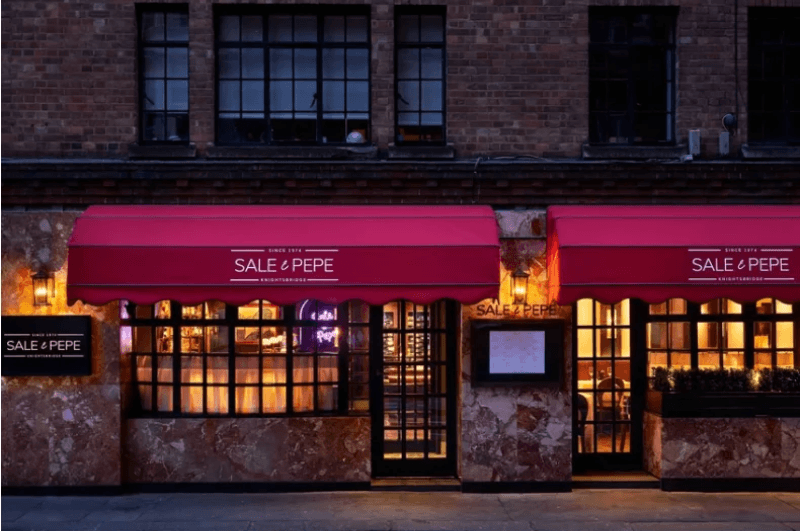
Source: Thesleff Group
What upcoming project or change to your wine and sake programmes are you most excited about, and what will it allow guests to experience?
I'm particularly excited about the direction we have taken with our latest venues, Ma/Na Mayfair and Sale & Pepe Mare at The Langham.
With both programmes, we have placed greater emphasis on communicating the philosophy behind the wineries and breweries we work with. Rather than simply presenting a list of bottles, we want to give guests a deeper understanding of the people, places and philosophies behind them.
We have made the lists more interactive and engaging, allowing guests to explore the provenance, craftsmanship, and identity behind producers.
For me, wine and sake are about much more than the liquid itself. They are about culture, history, people, and a sense of place. Being able to communicate those stories and bring them to life at the table is what makes the experience truly special.
Also Read:
Michele Orbolato On Crafting Profitable Wine Programs Across Los Mochis Locations
Marcello Cauda: London’s Leading Bars Manager on Balancing Innovation and Profitability
Tap Wine Reimagined: Why More Fine Wines Are Going On Draft
TAGS: